


At TLR, I teach students mental models that most adults learn too late, if at all. On paper, the logic behind it seems reasonable:
TLR Hypothesis
Better Thinkers > Better Citizens + Leaders > Better Society
If children learn practical thinking skills early: how incentives work, how people make choices, and how to reason under uncertainty, they will grow into more resilient, empathetic, and effective citizens and leaders.
Teaching these skills at scale could raise the quality of decisions across families, schools, and communities, accelerating social progress across India.
But there are two burning questions:
How do I make sure they retain this knowledge outside the classroom? I need to build a mechanism that can enable them to recall these concepts in moments of need 5, 10, or 20 years down the line.
How does this benefit our society? Sure, it helps these students become better thinkers. But how does that translate into a better life for the rest of us? That’s the most important question for me to answer, because it’s the whole reason I started TLR.
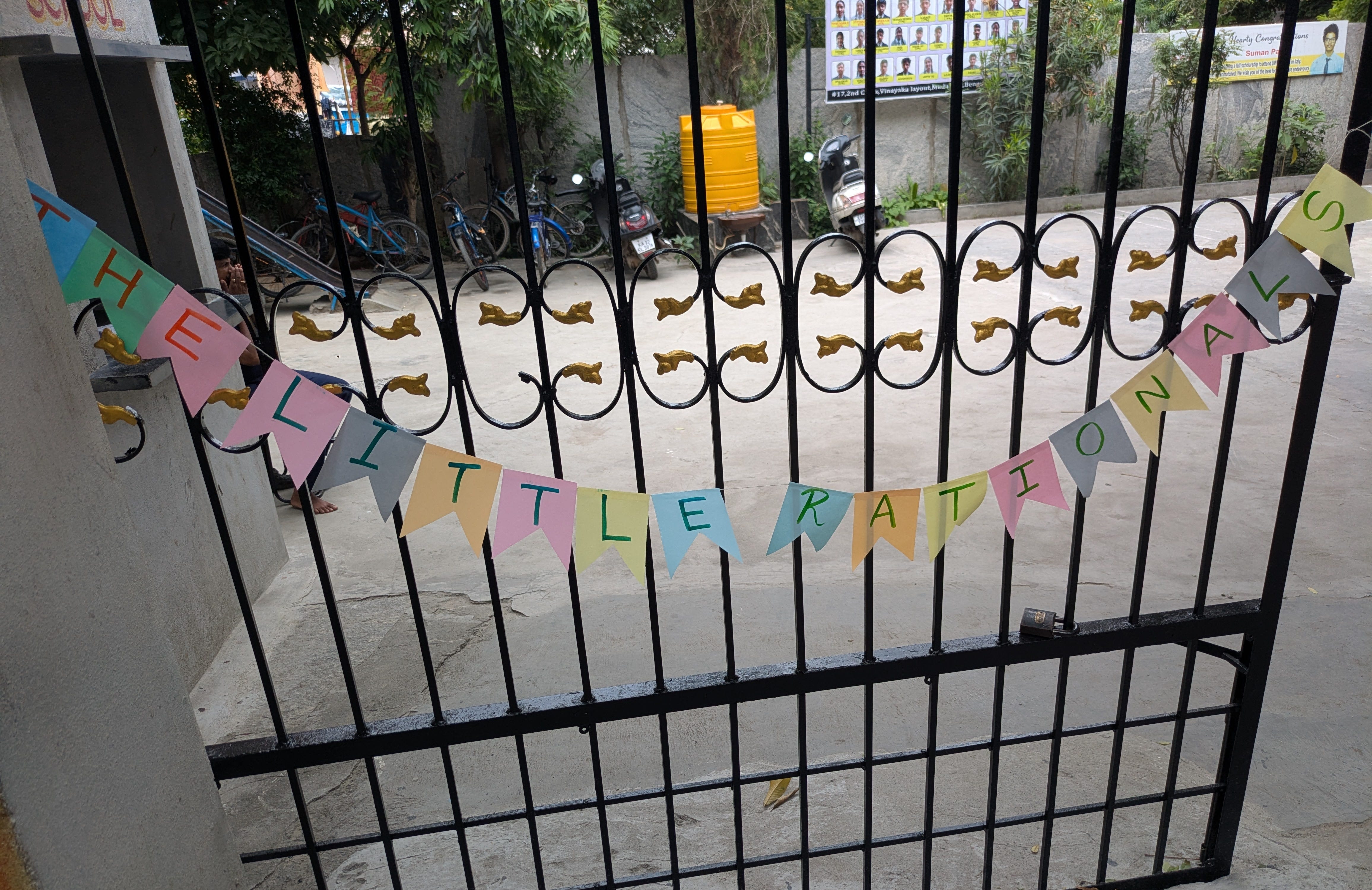
Over the last few weeks I ran the first experiment to answer it. It was a community project on the topic of Road Sense: how we drive on Indian roads, and how to make driving a less stressful experience for everyone.
The outcome we sought:
One person changes their own behavior and that of one person around them.
The Pre-Work
A week before the project, I gave 30 students a scenario-based assessment. It had real-life situations where you have to reason through what happens next.
Overall, they scored the same as if they had guessed every answer. However, on two questions, they scored below chance; i.e. if they had been guessing at random, they would have done better. Below chance means something is actively pulling the whole group towards the same wrong answer.
The two questions had one thing in common - an option that matched a slogan. One rewarded “discipline always wins”, the other rewarded “less is always good for nature”. It’s like you’ve heard “sharing is caring” but don’t really know why. So they’ve been told these morals and values hidden in the form of slogans, but without any rationale behind it.
I had a feeling this would be the case, so it was important to verify it through this baseline assessment.
The Road-Sense Project - TLR Methodology
This is what we did in chronological order over a period of three weeks.
1. The Field Visit & Interviews
We selected 12 students from Grade 8 of an affordable private school in Medahalli, Bengaluru. After splitting them in 2 groups of 6 each, we took them to a street corner and counted traffic infractions for ten minutes: no helmets, wrong-side driving, triple riding, phone while riding, etc.


Then they interviewed shopkeepers and people on the street and asked them two questions: why do people break rules and what can be done to stop them?
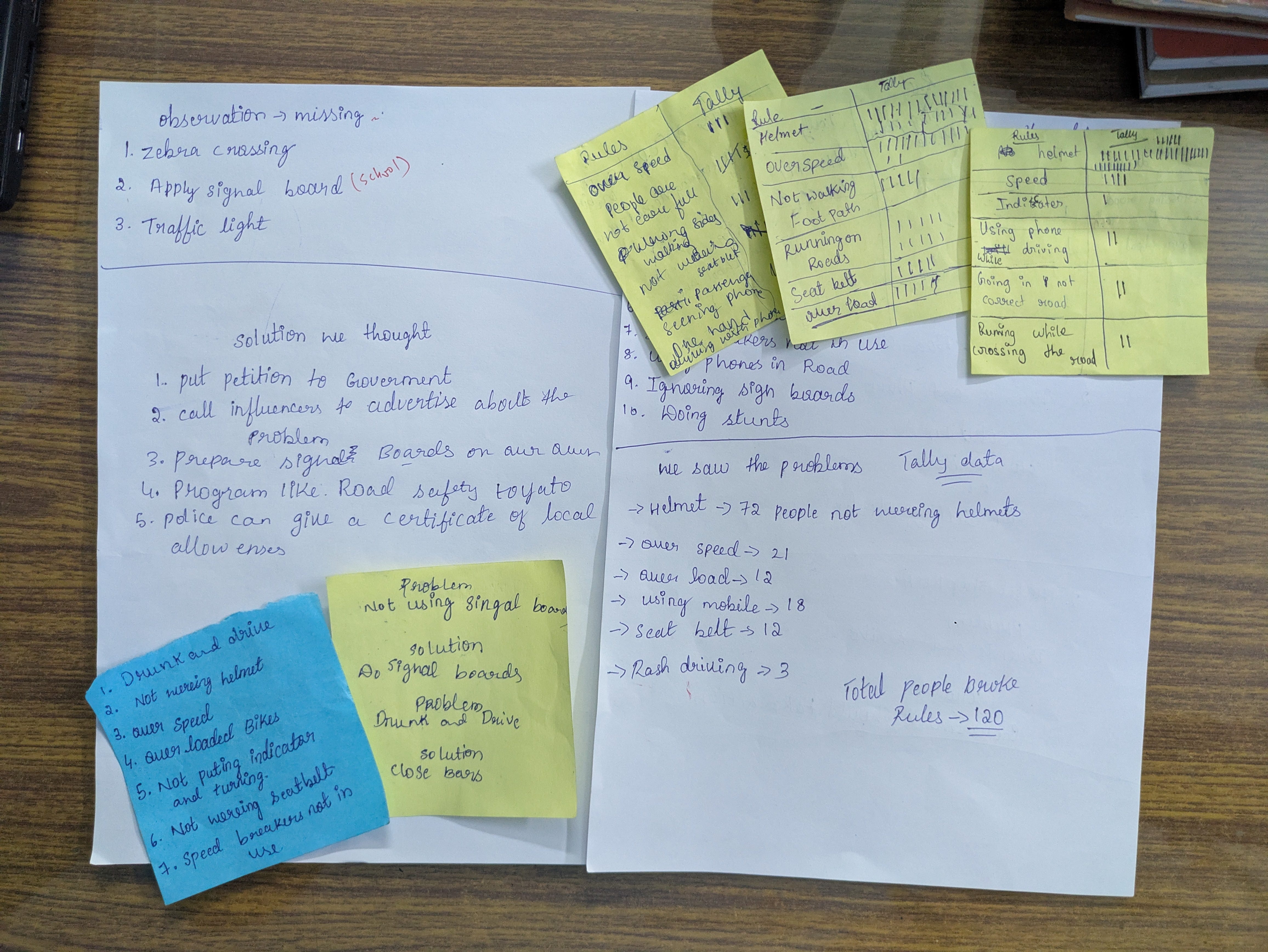
Interviews at Home: They took the same two questions to their own families and neighbors, and recorded the answers.
2. Road Data
In classroom sessions, I taught them some verified data on traffic and accidents on Indian roads.
Example 1: Start stacking ₹500 notes, one on top of the other. Keep going. Go up to four and a half times the height of Mount Everest.
Can you guess how much money that is?
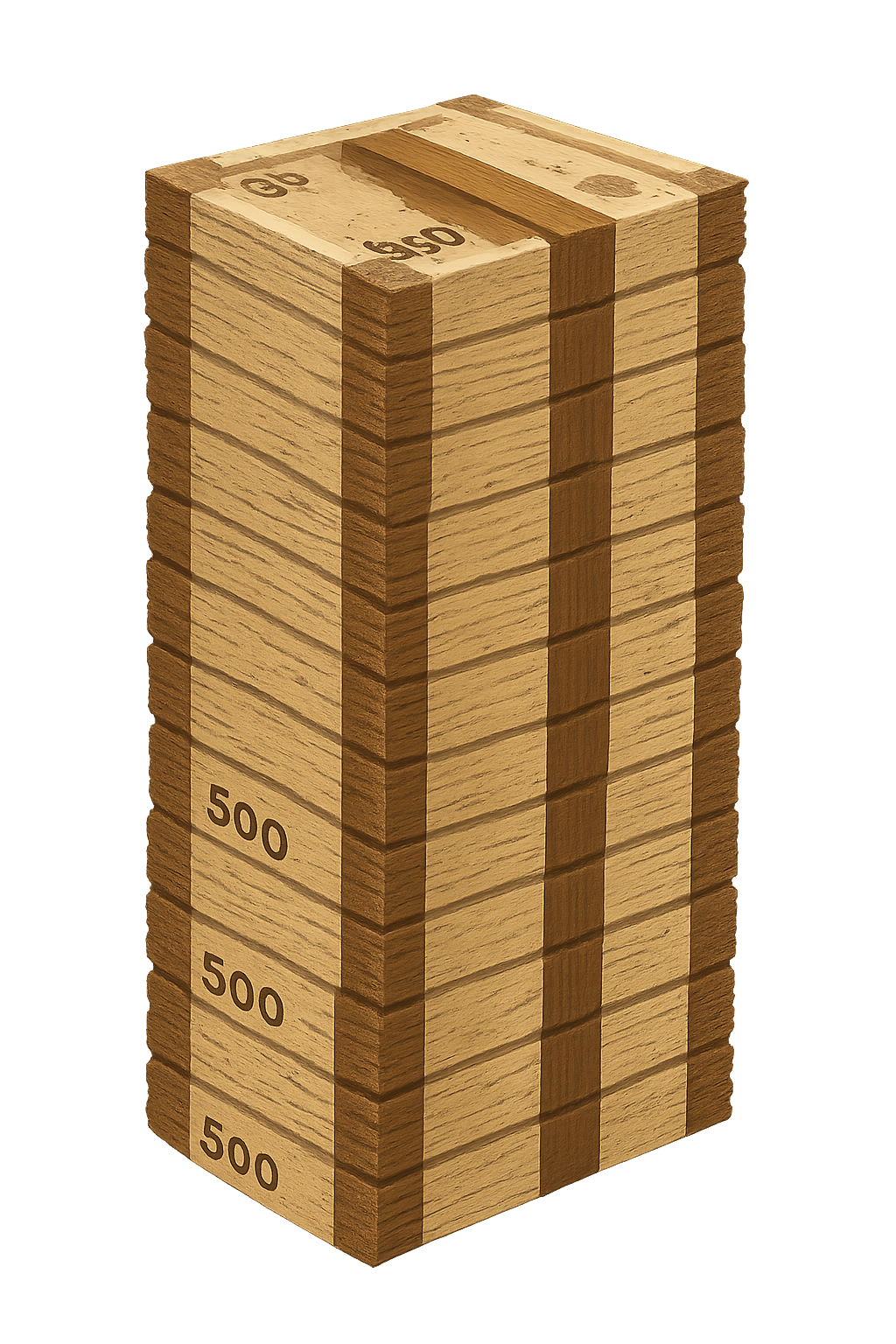
₹20,000 crore - That is roughly what Bengaluru loses to traffic congestion every year.1
Example 2: India has 1% of world’s vehicles, but 11% of world’s road deaths. 2
Example 3: Road accidents kill 20 people an hour in India.3
The intention behind this exercise was to give them the “WHY” of the project.
3. The Mental Models
Models we studied: Game theory, Second-order thinking, and Broken Windows Theory.
Do you think building a flyover in a busy area will reduce traffic?
Not necessarily. Because when the flyover seems to reduce travel time, everybody starts using the same route, which increases the load at that one spot. Earlier, people were spread across many different routes, distributing the load. This is Braess’s Paradox.
And it isn’t just a theory. In 2003, Seoul demolished a six-lane elevated expressway through the middle of the city. They spent 27 months restoring the stream buried underneath it, Cheonggyecheon, as a public park and opened it in October 2005.


There were no gridlocked roads, travel times in the surrounding area did not take a hit. People started taking more public transport, and used multiple other routes. It helped that Seoul overhauled its bus system at the same time.
Traffic demand isn’t a fixed quantity. It responds to what you build.
That’s second-order thinking and game theory in one story. How long your commute takes depends on the route choices other people make. How safe you are on the road depends on how well other people follow the rules. Ride on the wrong side and you might save five minutes. But if everybody rides on the wrong side, nobody gains anything and everybody is in more danger. Individually tempting, collectively terrible.
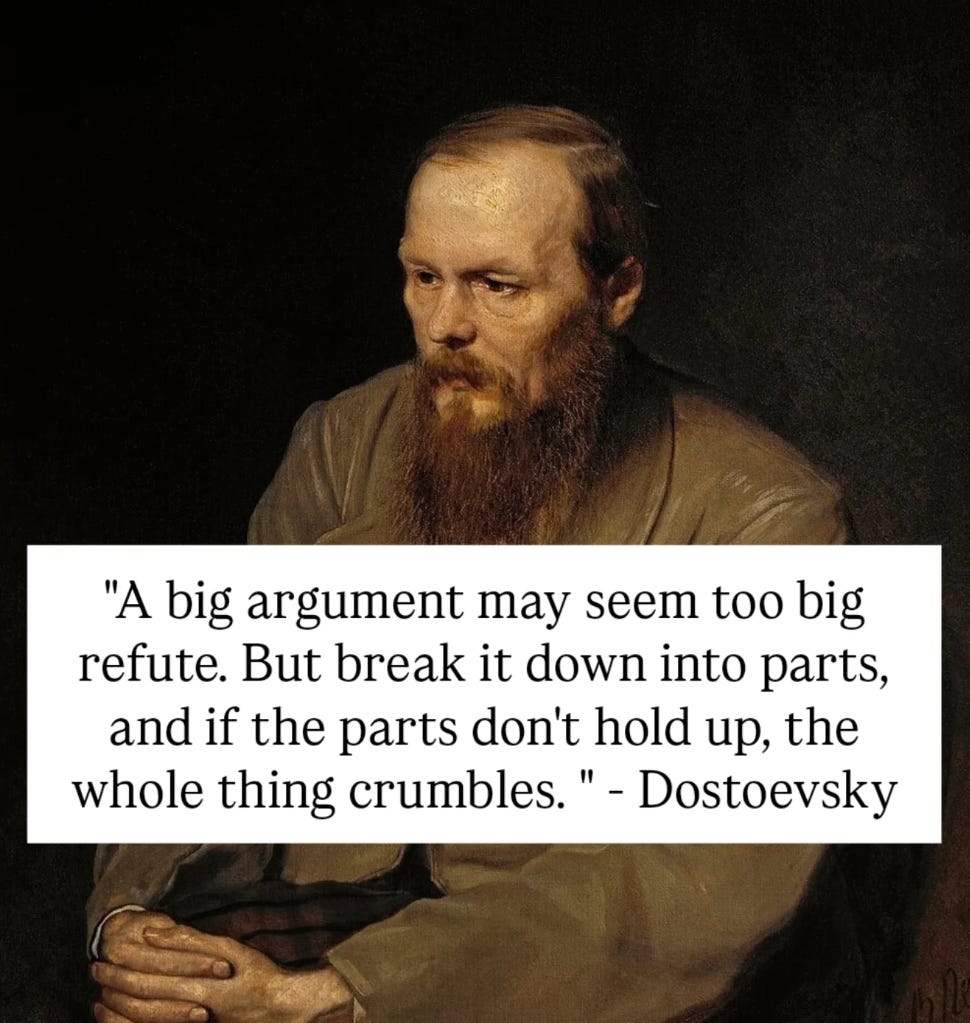
Broken Windows Theory came in because we kept hearing the same sentence in the interviews, over and over:
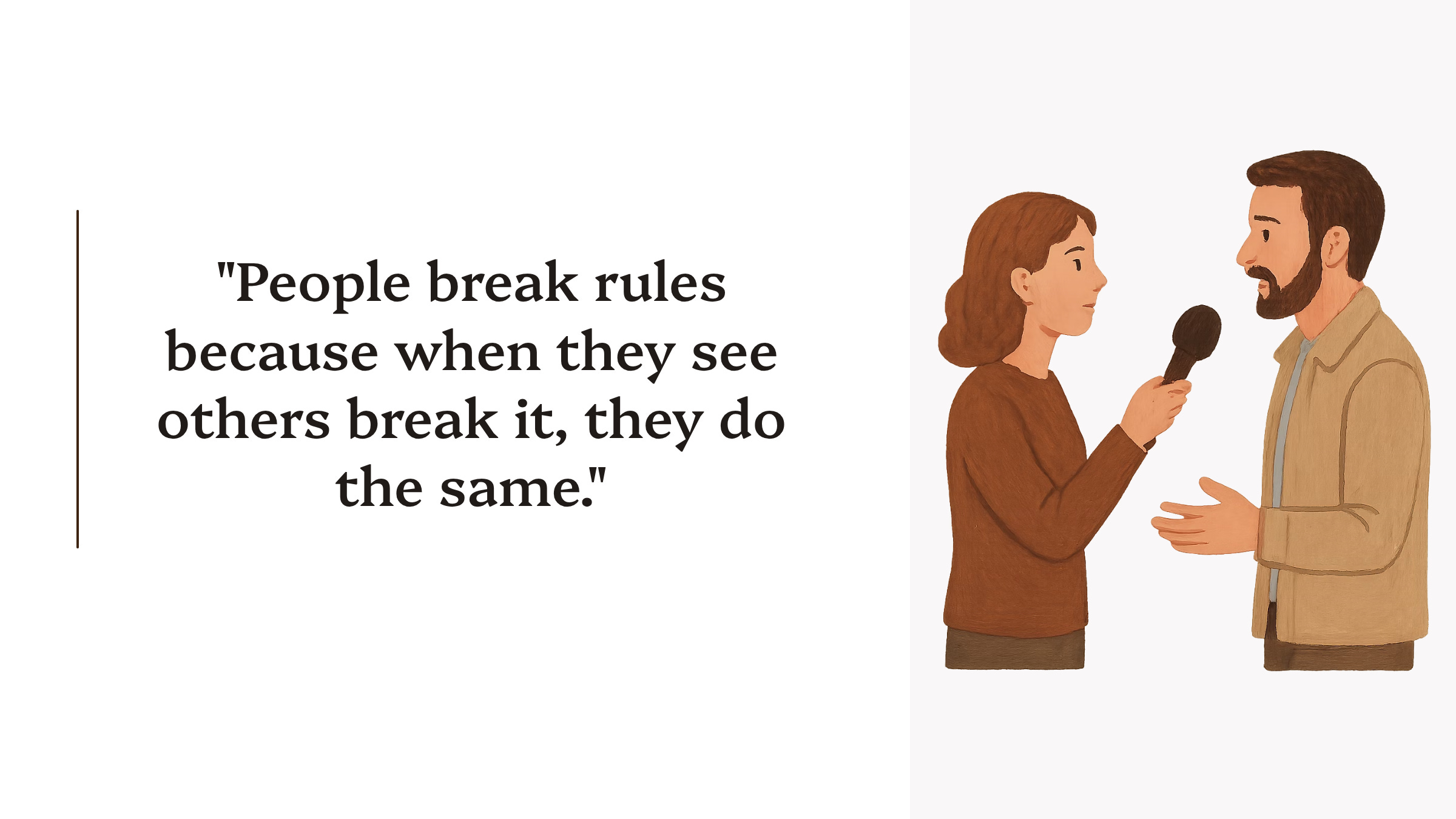
A small infraction, like riding without a helmet, normalizes bigger ones. So to solve the big problems, you have to solve the small ones first.
Then we discussed solutions and put every solution they generated into one of four boxes.
Change the prize: Rewards, fines.
Change what people see: Cameras, signboards.
Change the road: Speed breakers, zebra crossings.
Change the norm: One person starts a new habit and nudges others to do the same.
4. Rules of the road
Tell me you’re an Indian without telling me you’re an Indian.
This is an actual question from the official driving license question bank.
When a cow is standing across the road, you should:
Wait until it clears the road
Pass it from the front
Pass it from behind
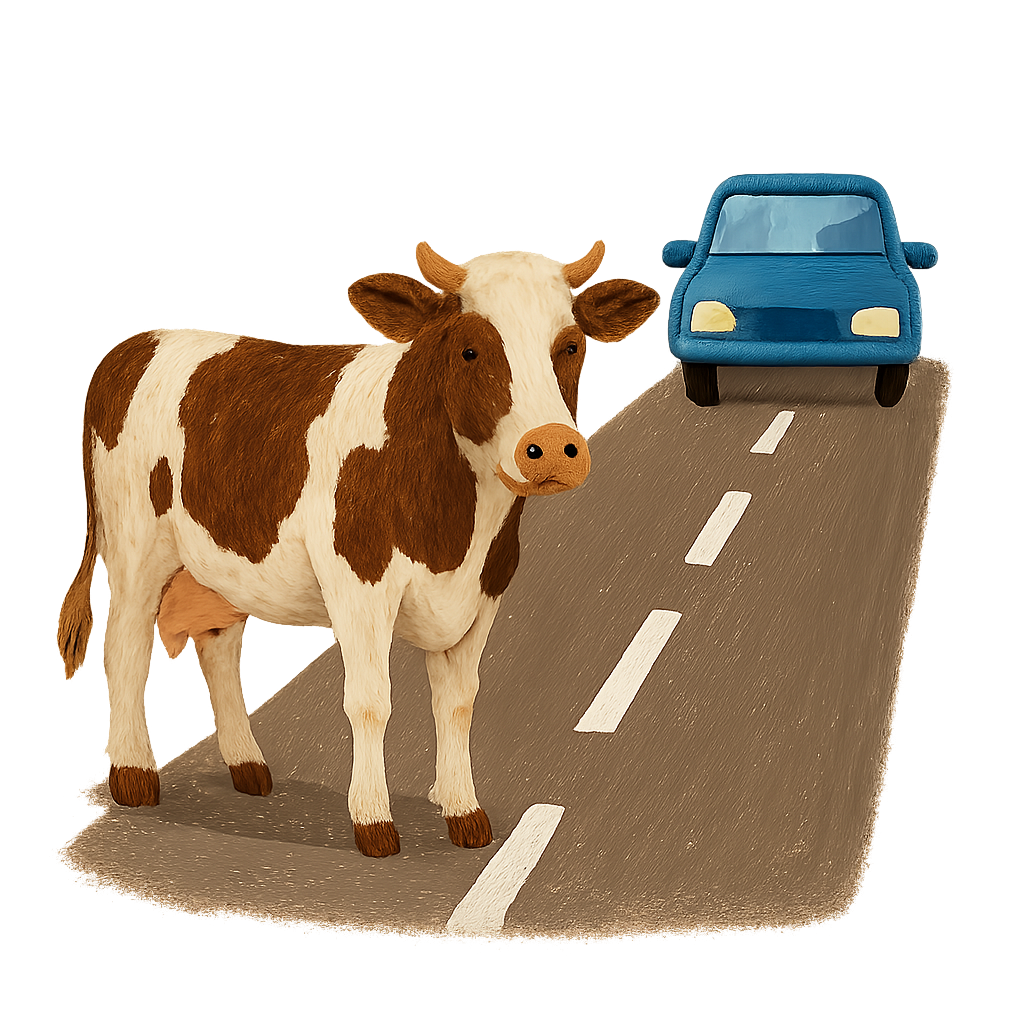
There are dozens of rules like this that none of us ever learned, because our license testing system is perfunctory. So we taught them 20 real rules from the official rulebook, cow included. And we ended on defensive driving - what it means, and why it’s worth doing.
5. The Showcase Prep
The plan was to bring all of this together and present it to an audience as a showcase. We spent one week creating a set of tactile and interactive artifacts to explain what we discussed.
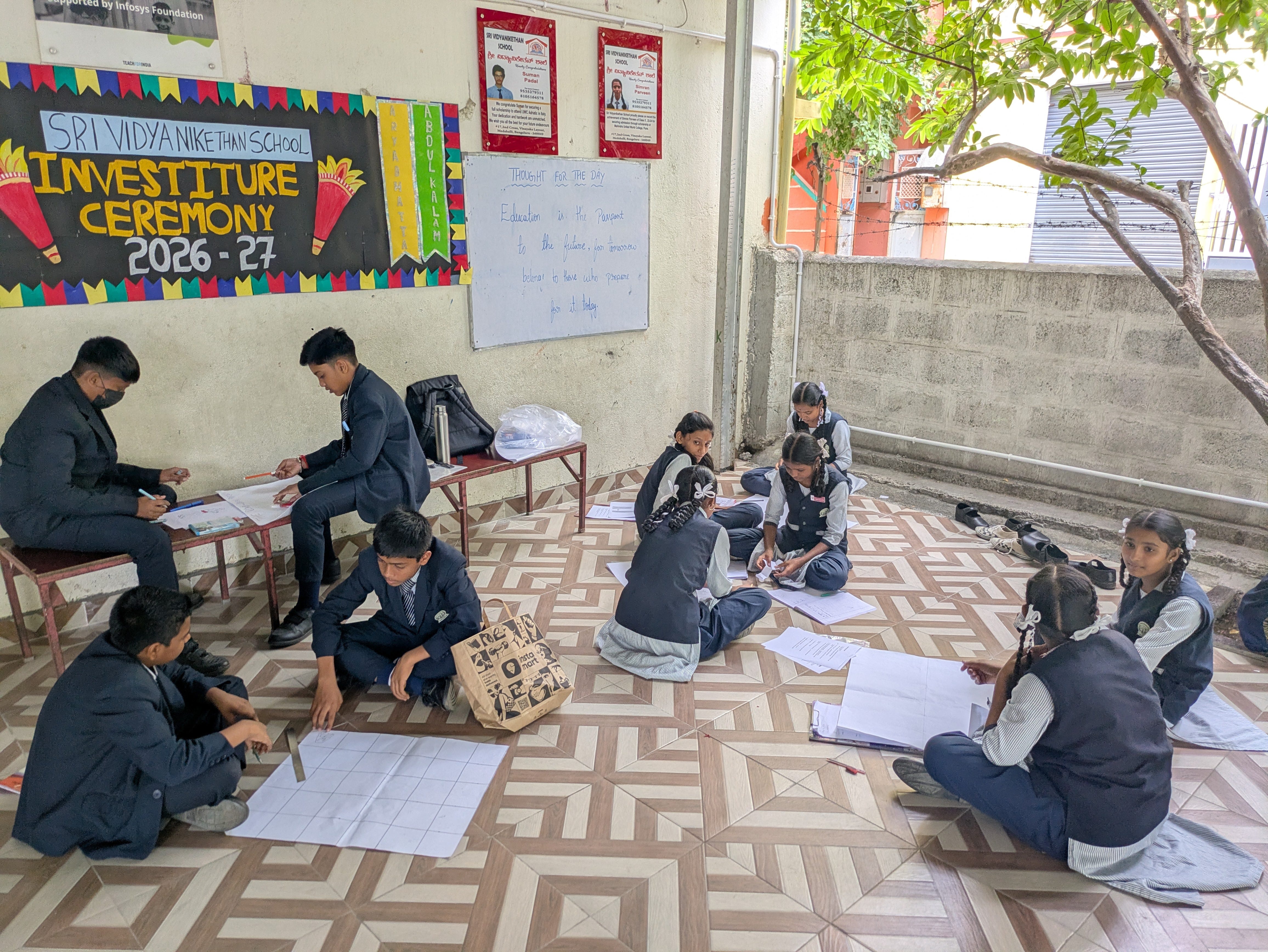
The rules of design were:
Show, don’t tell. Let the audience discover the concepts through touch and play.
No preaching. We present what we know and let the audience make up their own minds.
Mental Models explanation. Everything is showcased through play rather than jargon.
6. The Showcase
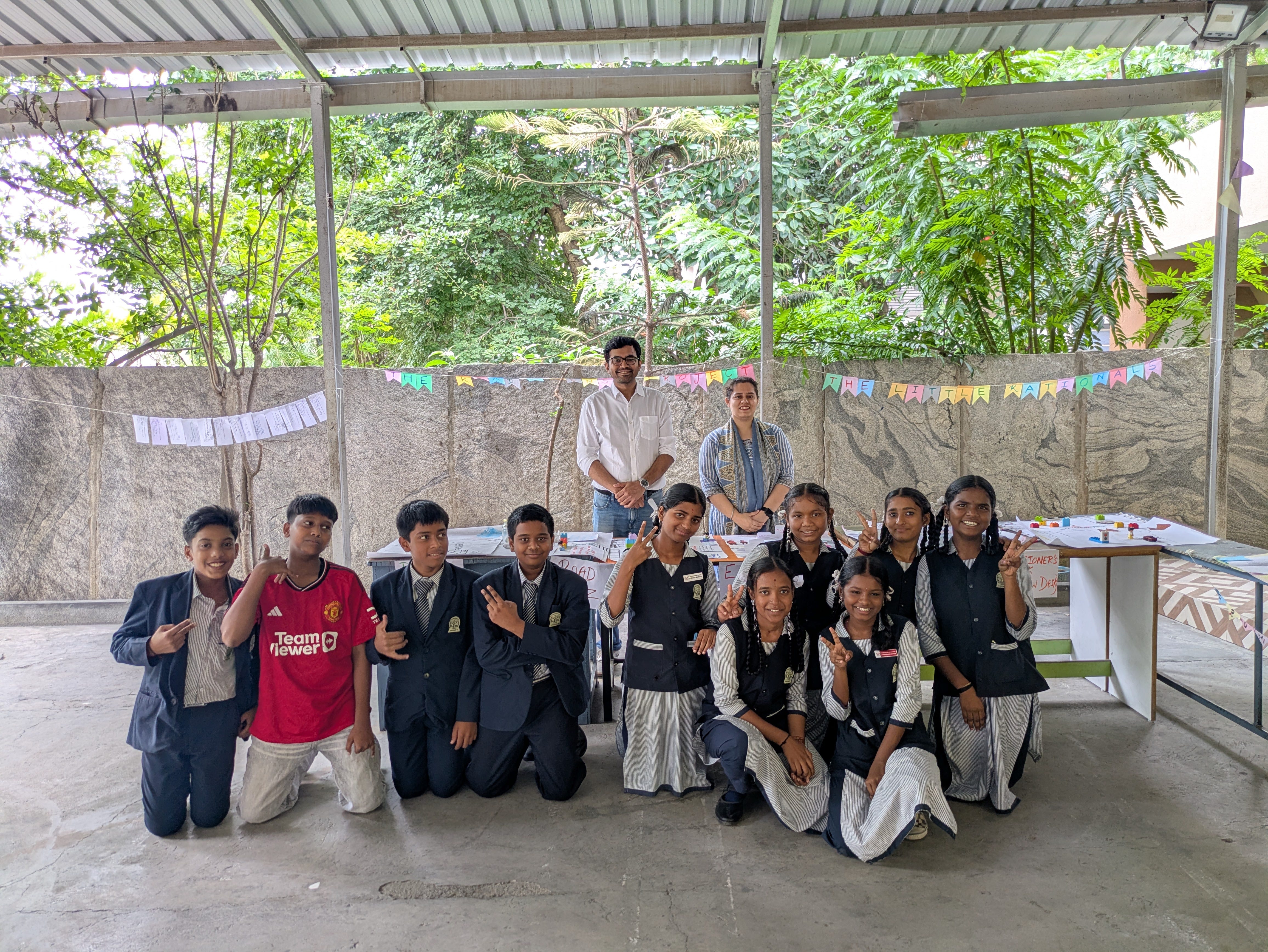
On a Friday morning, we invited parents, teachers, and students.
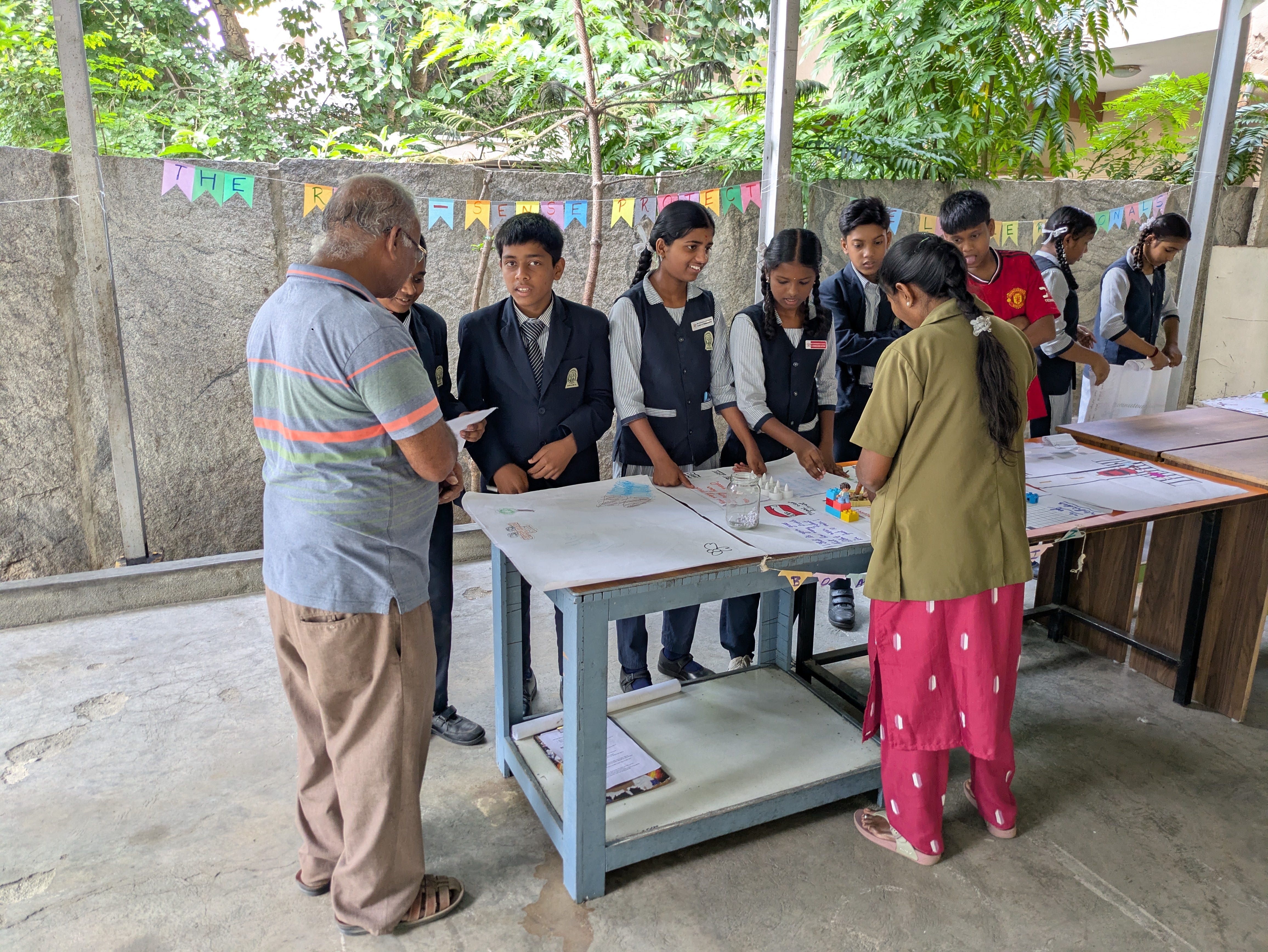
The visitors were led through the journey of what the students learnt over the last few weeks. We even made them produce their own things.
The Stations:
Hidden Broken Windows Theory Experiment - The audience unknowingly participated in an experiment about following norms.
Road Data Quiz - Nine questions asked using tangible items.
Field Visit Reveal & The Excuse Wall - Questions on why people break rules.
Solution Four-Boxes - Asking audience how to solve this.
Rules of the road - A True or False format of common, yet tricky rules of the road.
Home Interviews Reveal & Pledges


They wrote down their own excuses of why they (or others) break rules. They wrote down solutions. They wrote down pledges. They participated in game theory simulations through fun group activities.
7. The Pledge and the Ripple Line
The showcase ended with every visitor and every student choosing their one person who has a rule-breaking habit. Their job over the next four weeks is to get that person to change it, and to be able to explain why, using the data, the models, the interviews and the rules.


They wrote it down on a paper and put it up on the Ripple Line.
Why this works? Based on a study called “Experimental evidence for tipping points in social convention”, a committed 25% minority can turn the whole group. The exact number moves with circumstances, how entrenched the behavior is, how much people interact, so 25% isn’t a magic constant. But the shape of the finding is what matters. A norm doesn’t shift gradually as more people join. It holds, and holds, and then it goes.4
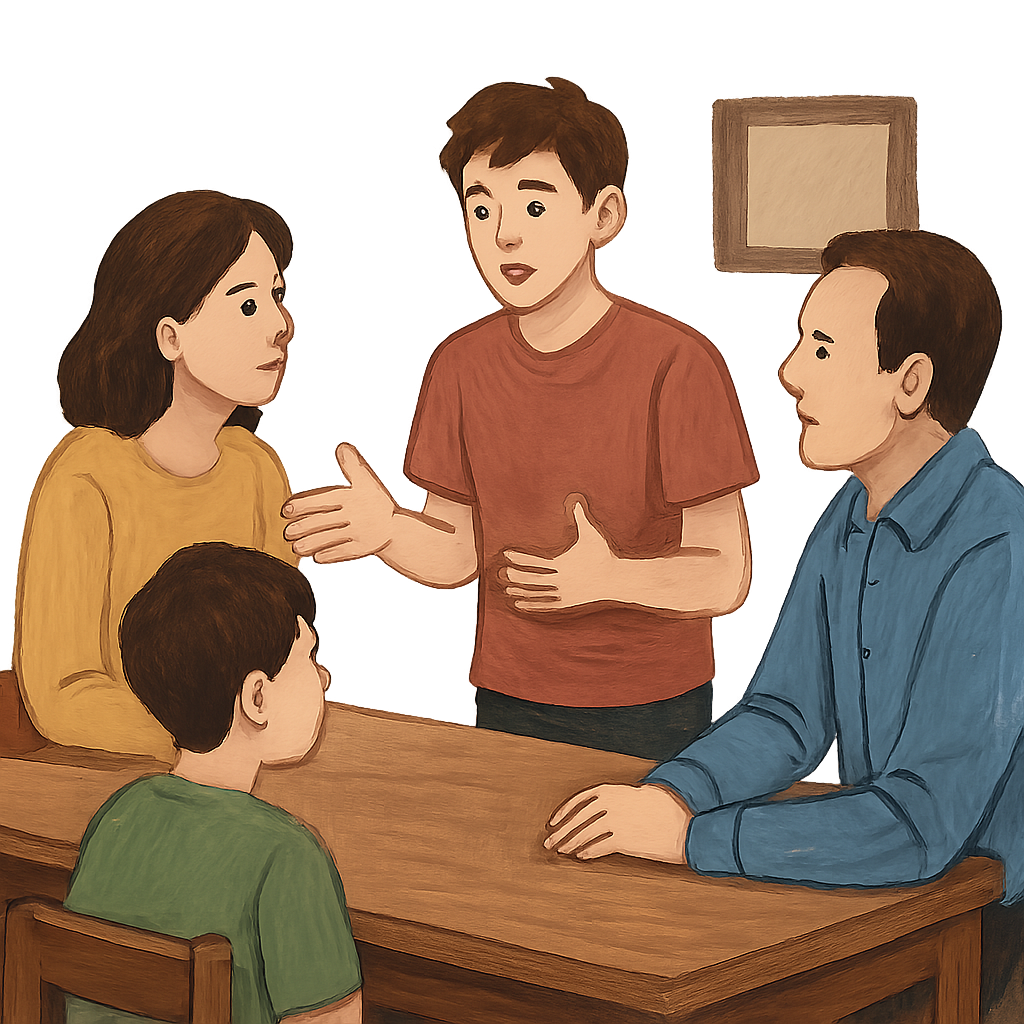
This reframes what a twelve-year-old convincing their uncle to wear a helmet actually is. It isn’t just a nice gesture. In a small enough network, one street, one apartment block, one extended family, it’s a meaningful fraction of the way to a tipping point.
What I don’t know yet
This is where I want to be very clear, because it would be easy to end this post on the showcase photos and let you assume it worked.
I don’t know if it worked. A showcase measures showcase-day performance. But the only honest test is whether they apply these tools, in a situation that has nothing to do with roads, weeks and months after the program ends.
The most basic check is an MCQ-based situational judgement assessment after four weeks, with the same students. It’ll test their progress in the ability to reason beyond slogans that came up in the pre-work.
Beyond that, there needs to be something more rigorous, like this project itself. That part, I have to build.
Beyond the Roads
Road Sense was a test run of what Community Project plus Mental Models can look like in action. I was testing a template:
A real civic problem
Field data the students collect themselves
Named thinking tools
Public defense of their reasoning
Behavior pledge by students and audience
Delayed check
Roads happen to be a great first case, because the game-theoretic structure is obvious. But the same template should run on waste segregation, water, queues, public etiquette, corruption. Anywhere a collectively terrible outcome is made up of individually reasonable decisions, which, if you look, is most of what’s broken in everyday India.
That’s the actual thesis: a thirteen-year-old who has once traced a bad collective outcome back to its individual incentives, with data they gathered themselves, will recognize that in a different context again for the rest of their life.
A question for you
On the field visit day, one girl told the group that her father, who never wore a helmet, had been in an accident. And that it was only after that, that he started wearing one regularly. He’d been converted, by the worst possible teacher. The entire project is an attempt to answer one question - can we do that conversion without the accident?
And that’s my question to you. I would like your suggestions on how to design more such mechanisms that help bring the timeless wisdom that these mental models hold for the betterment of our society.
Thanks for reading. I look forward to your suggestions.
https://www.businesstoday.in/latest/economy/story/bengalurus-economy-suffering-huge-loss-of-rs-20000-crore-anually-due-to-traffic-congestion-reveals-study-393138-2023-08-07
https://www.worldbank.org/en/country/india/publication/traffic-crash-injuries-and-disabilities-the-burden-on-indian-society
https://www.business-standard.com/india-news/india-road-accidents-deaths-injuries-report-road-highway-ministry-nitin-gadkari-125082801527_1.html
https://www.sciencedaily.com/releases/2018/06/180607141009.htm