


Is it just me, or does everyday life in India feel more chaotic and exhausting than it needs to be?
The stress isn’t just from traffic or crowds or long workdays. It’s from constant friction caused by small, unnecessary conflicts layered on top of each other.
People cutting queues. Aggressive driving. Loud, obnoxious behavior in public. Zero-sum thinking in everyday interactions. A sense that everyone is out for themselves, and cooperation is optional.
We usually label this as poor civic sense. But I don’t think that’s the real problem.
The Deeper Issue: How We Learn to Think
Most of us were never taught how to reason about shared systems.
We weren’t taught:
how individual incentives create collective outcomes
how cooperation often beats short-term self-interest
how misunderstanding intent fuels unnecessary conflict
how to sit with uncertainty instead of reacting emotionally
So we improvise. And when millions of people improvise poorly inside shared spaces, daily life becomes stressful for everyone.
These are system-level thinking problems, not character flaws.
Why I Started with Children
This realization led to The Little Rationals (TLR).
In TLR, we teach children decision-making, game theory, and human behavior through interactive workshops – both online and offline.
In recent workshops, students explored ideas like:
The Prisoner’s Dilemma - why rational individuals often create worse outcomes by acting alone
Occam’s Razor - why simpler explanations are usually better
Hanlon’s Razor - why we should avoid attributing malice where incompetence or misunderstanding will do
The aim is to help kids become clear-thinking, emotionally resilient individuals who understand how to live responsibly in a shared society.
Our Hypothesis
Teaching these skills at scale creates better thinkers. Better thinkers grow into better citizens and leaders of our country. At scale, this improves decision-making across families, schools, and communities, thus improving the quality of life for everyone.
But Why Stop with Kids?
While working on TLR, a question kept coming up for me: Why should children be the only ones learning these ideas?
Most adults are navigating complex social systems every day in offices, families, cities, and institutions. They do that without ever having the right tools to reason about them properly. We’re expected to “just know” how to cooperate, regulate emotions, and resolve conflict.
That expectation is unrealistic. Which brings me to Little More Rationals (LMR).
What is Little More Rationals?
LMR is an extension of the same ideas behind TLR, but for everyone.
It’s a space dedicated to:
improving how we think
building emotional resilience
understanding human behavior
learning how to live well in shared systems
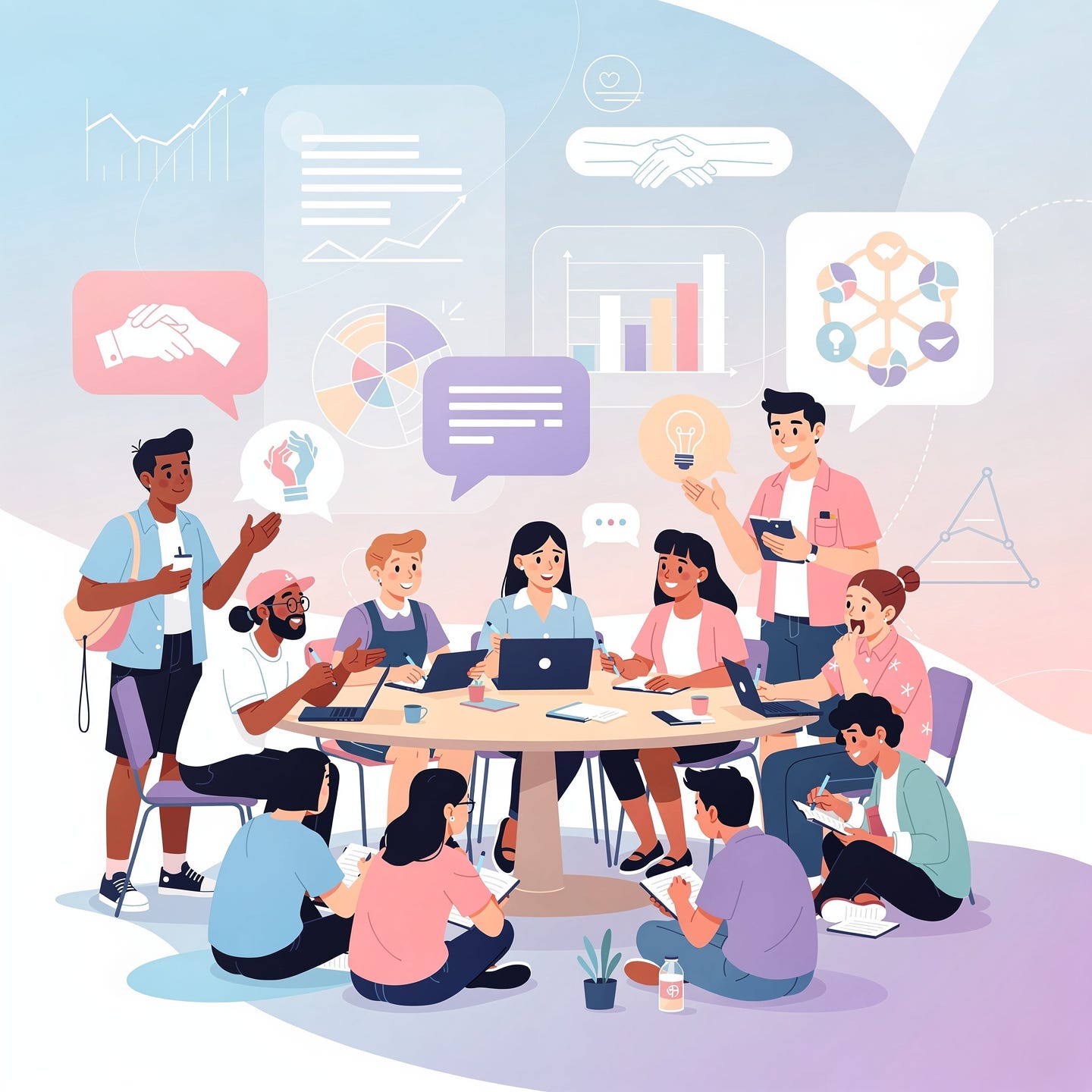
Same concepts. Same intellectual foundations. Just expressed in age-appropriate, real-world language.
This blog is where we’ll explore:
mental models that reduce friction in daily life
frameworks for clearer thinking under stress
ideas from game theory, psychology, and philosophy
reflections on cooperation, conflict, and responsibility
Not as academic theory, but as tools for everyday living.
Why This Matters
We often talk about fixing systems, policies, and infrastructure. All of that matters. But systems are ultimately downstream of the people who operate them.
If we want a calmer, fairer, more functional society, we need to start upstream, i.e. with how individuals think.
LMR is an attempt to do exactly that.
If these ideas resonate with you and if you’ve felt that daily life doesn’t have to be this hard, I invite you to stick around.
We’re just getting started. There’s a lot to unpack. And a lot to build.
See you next time.